
Δ
Can you spot the difference?

Back to art crime.
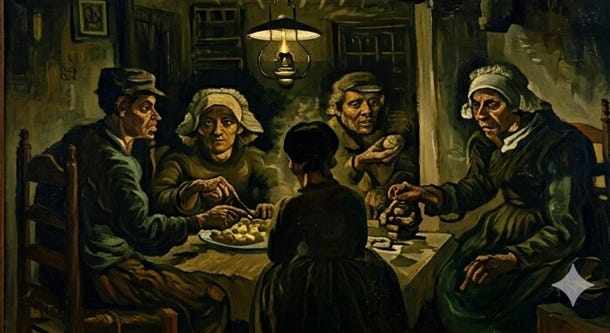
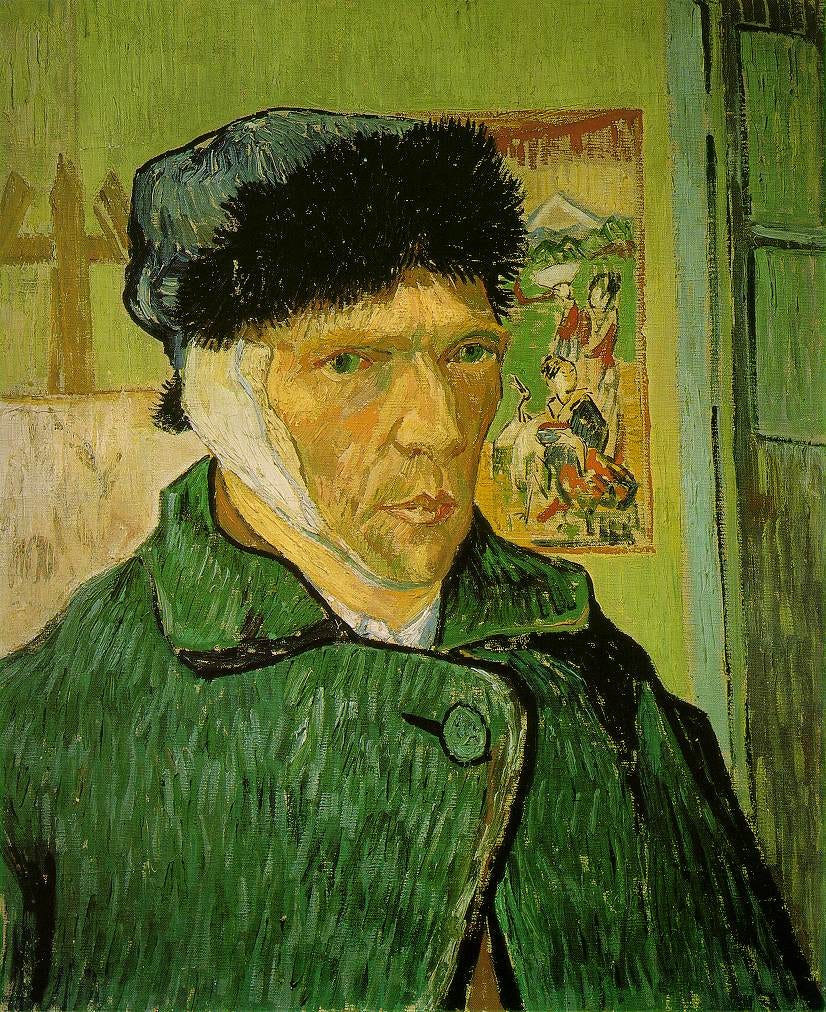
With the help of AI, I prepared a few fake pieces of art for my students, and thought it’d be fun to share them here. The point of the exercise was to get an idea of how difficult (unreliable?) connoisseurship can be. Granted, my students don’t have the sort of saturation required of connoisseurship (I hear you, Thomas Hoving), but it’s still entertaining.
Note: if you are familiar with the entire corpus of an artist I cover below, you’re going to have to suspend such knowledge and pretend ignornace.
Otherwise it won’t be fun :(
Part 1: Spot the difference(s)
The “Original” ↓
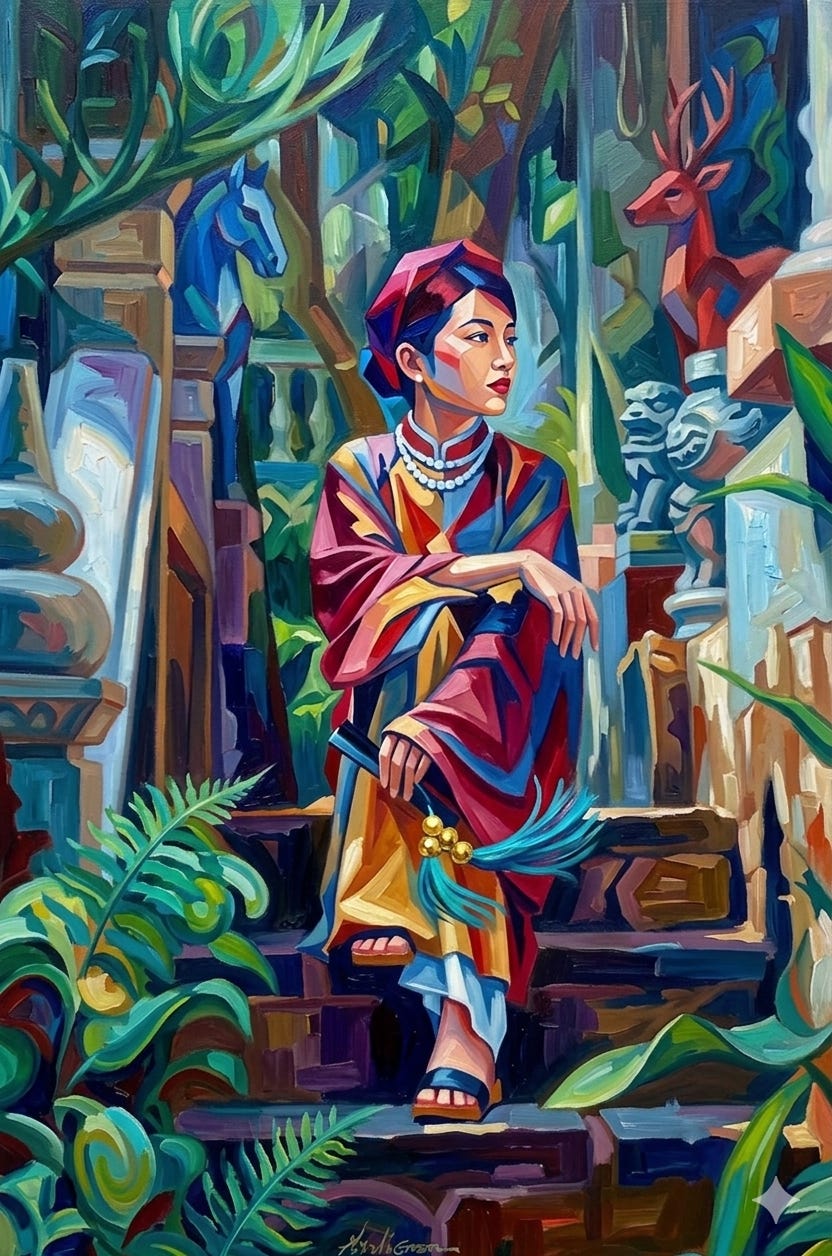
Find at least one difference in each image ↓
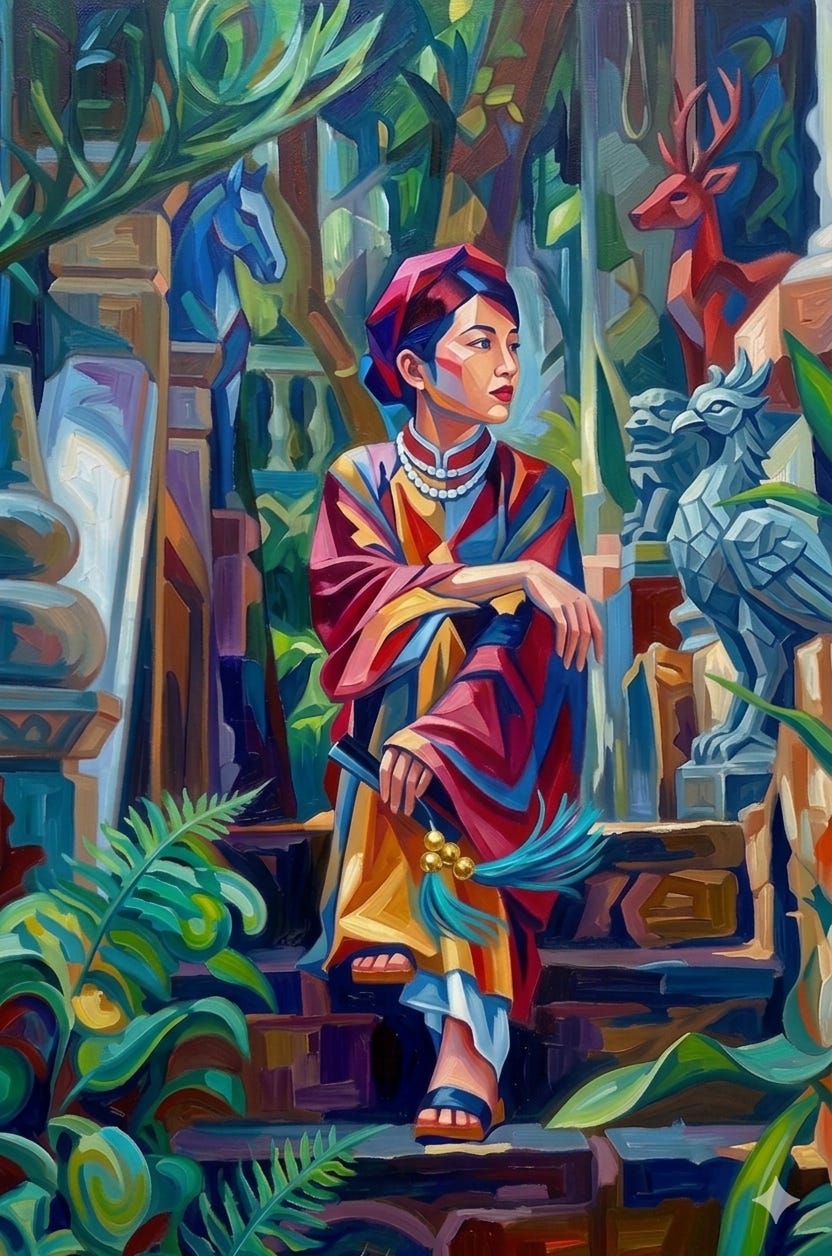
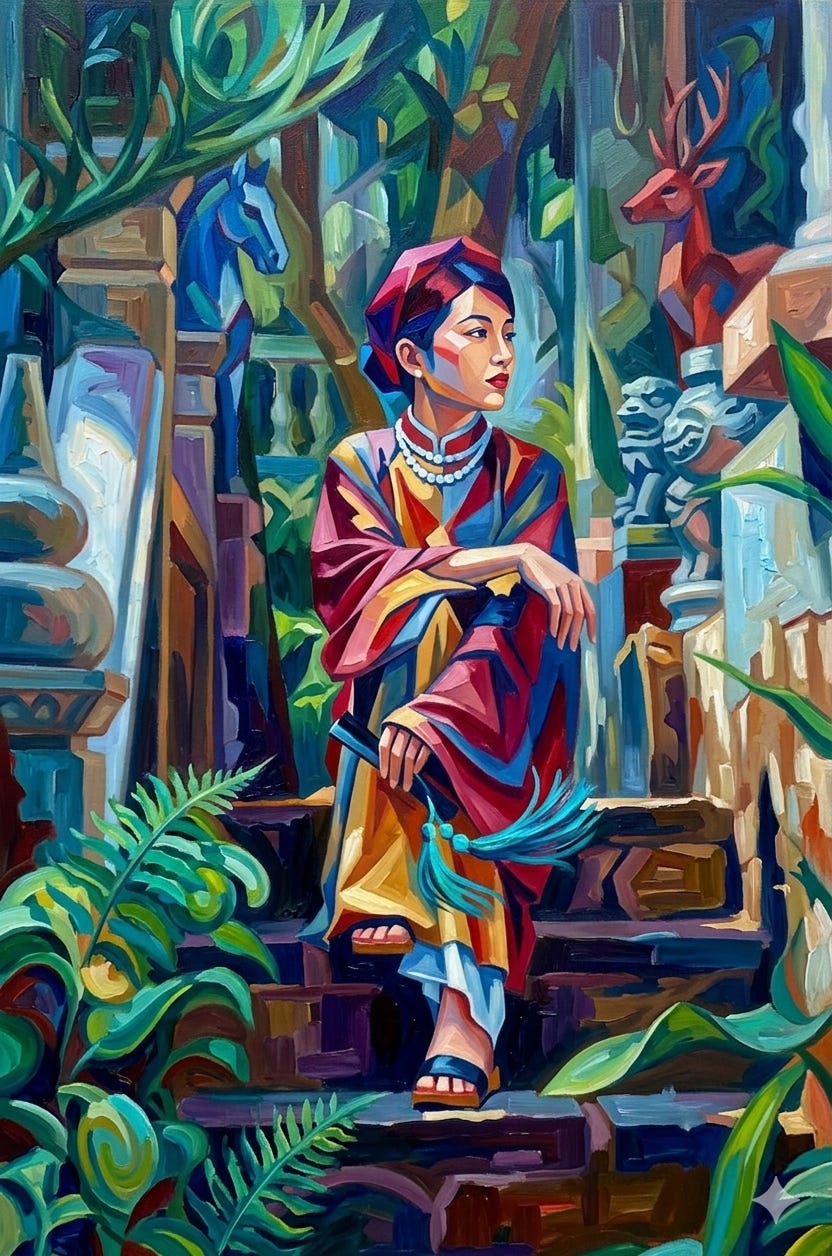
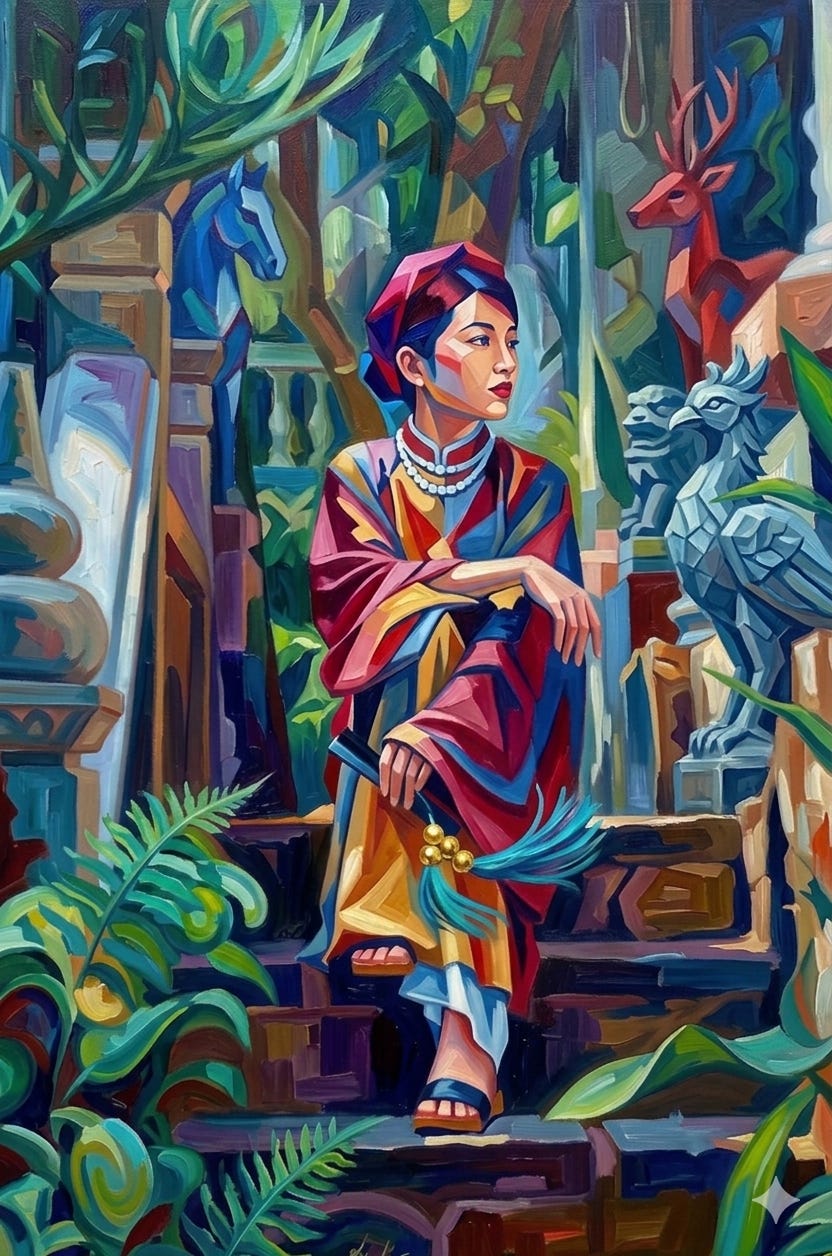
Part 2: Spot the original
Note: Sometimes, I include the AI watermark. This is by design. Forgers aren’t always all that slick.
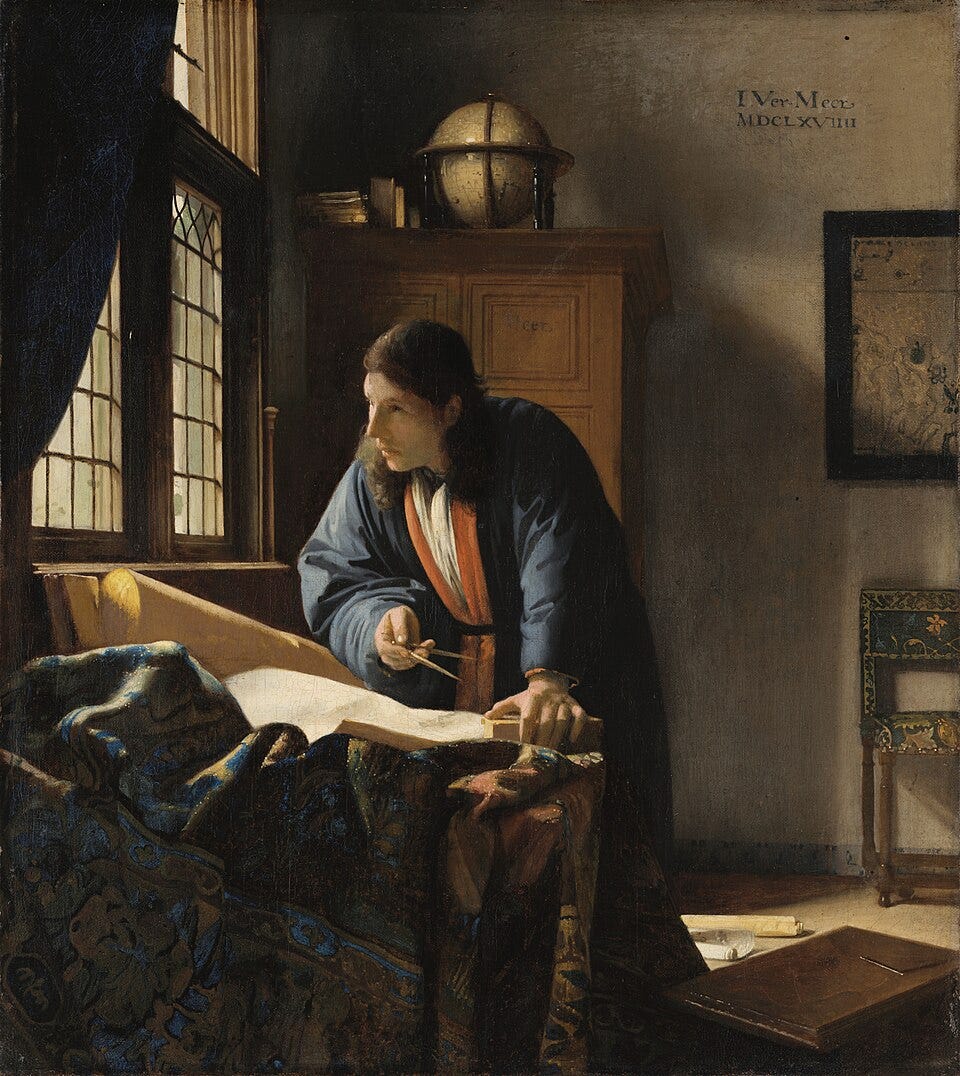
Real Vermeers ↓
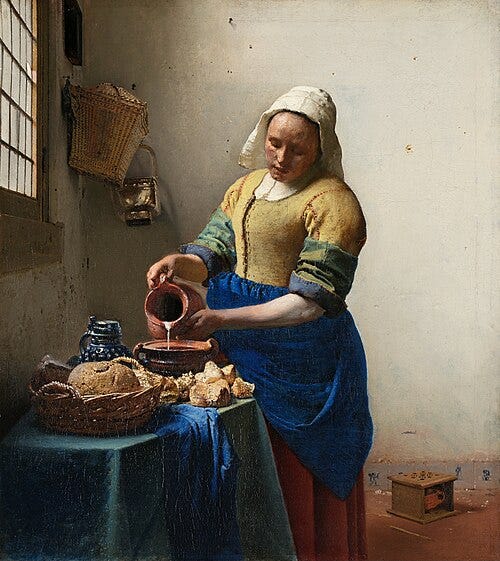
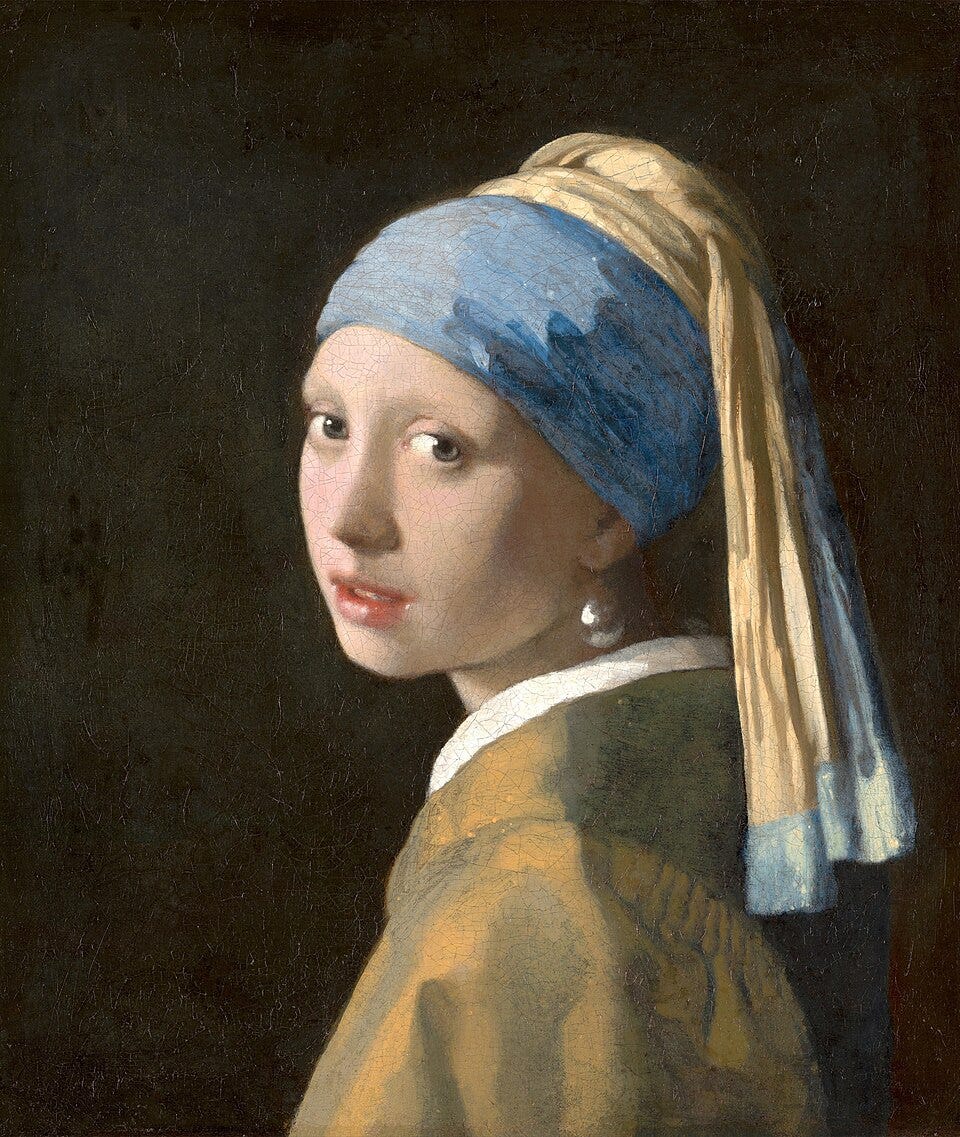
Which one is not fake ↓


Real Van Goghs ↓
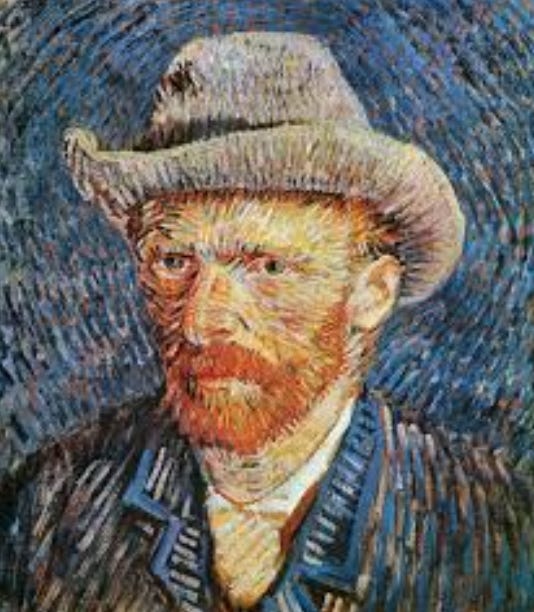
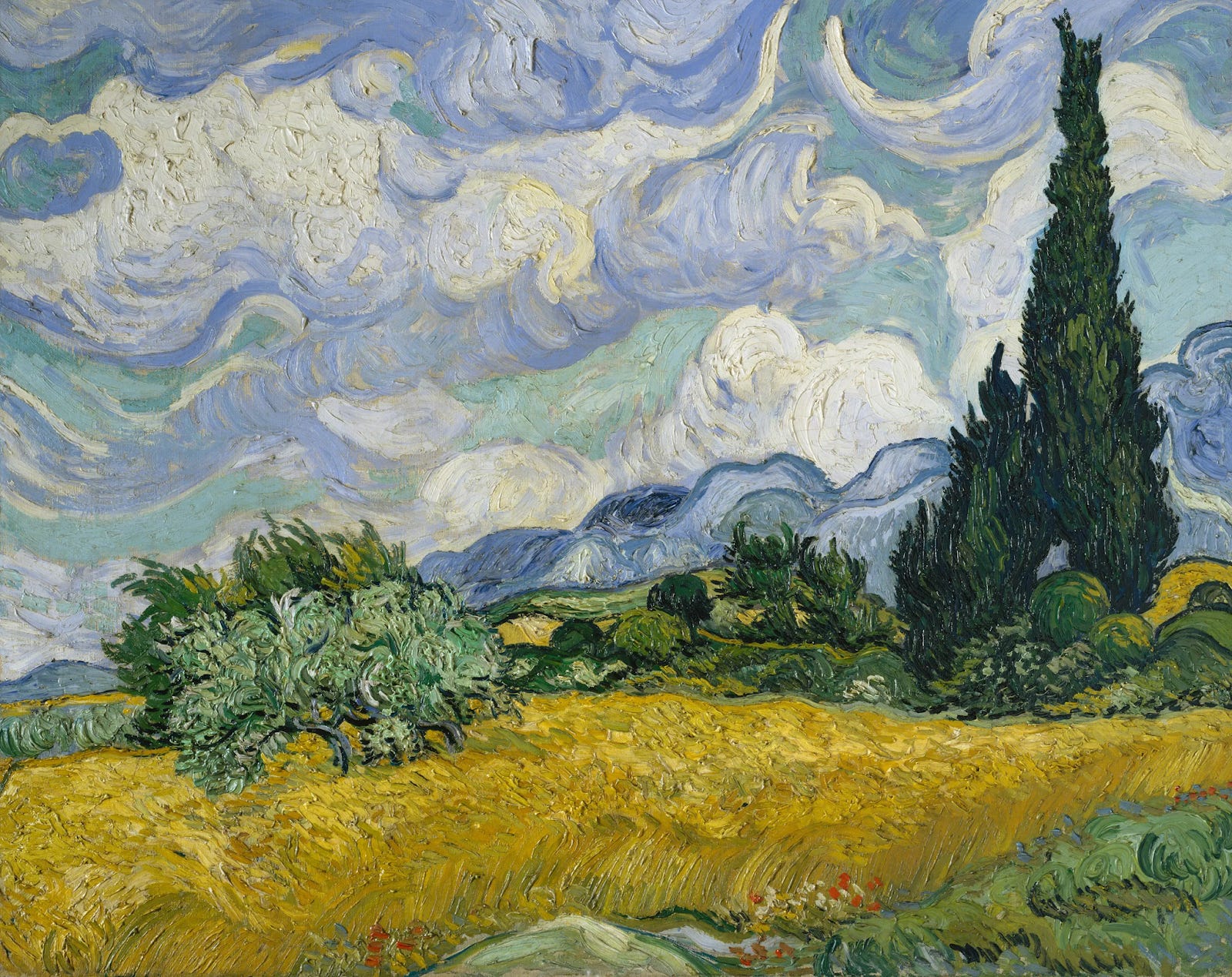
Which one is not fake ↓
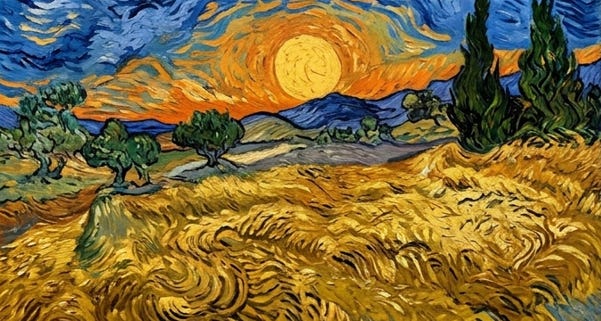
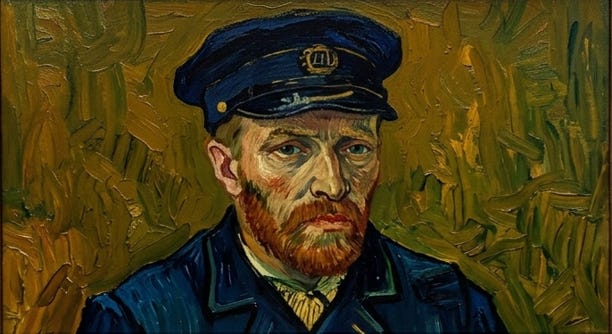
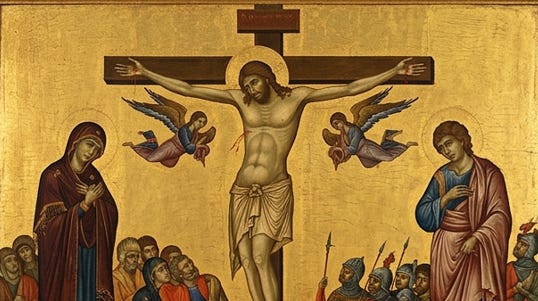
Real Cimabues ↓

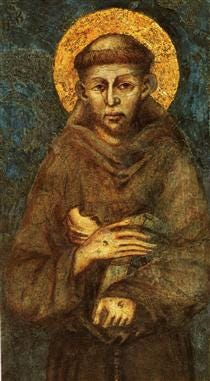
Which one is not fake ↓



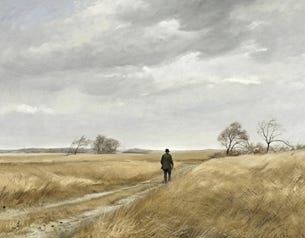
Real Wyeths ↓
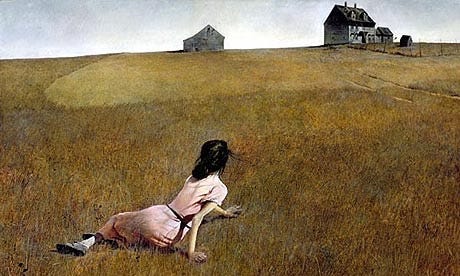
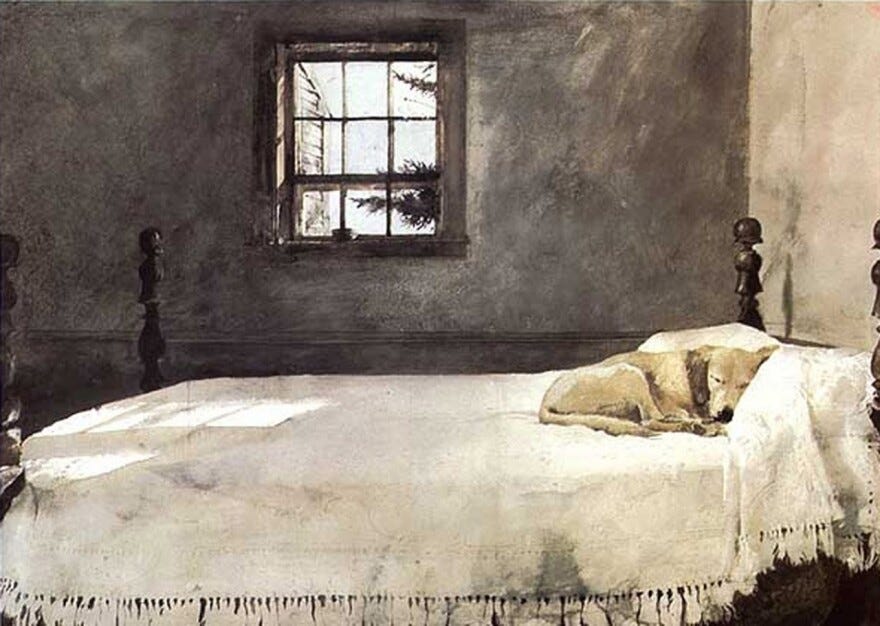
Which one is not fake ↓
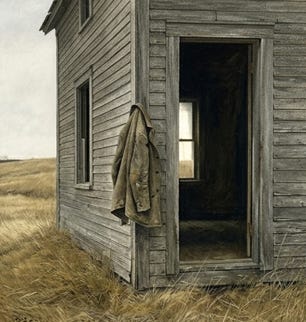

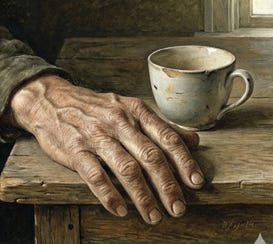
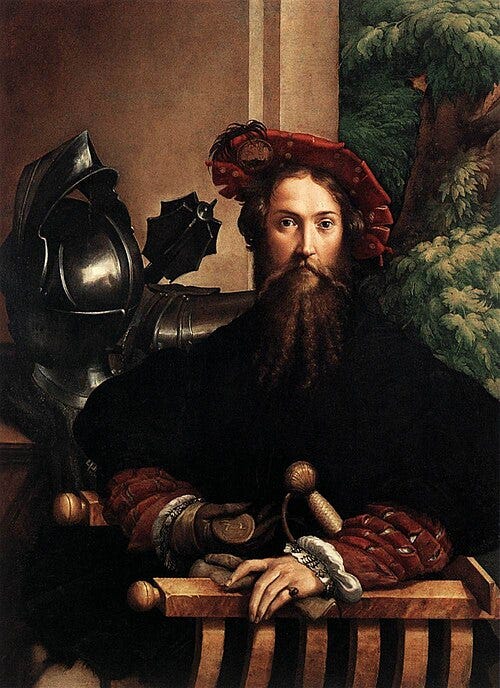
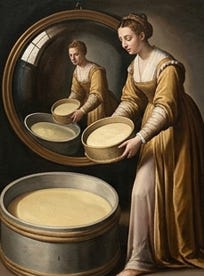
Real Parmigianinos ↓
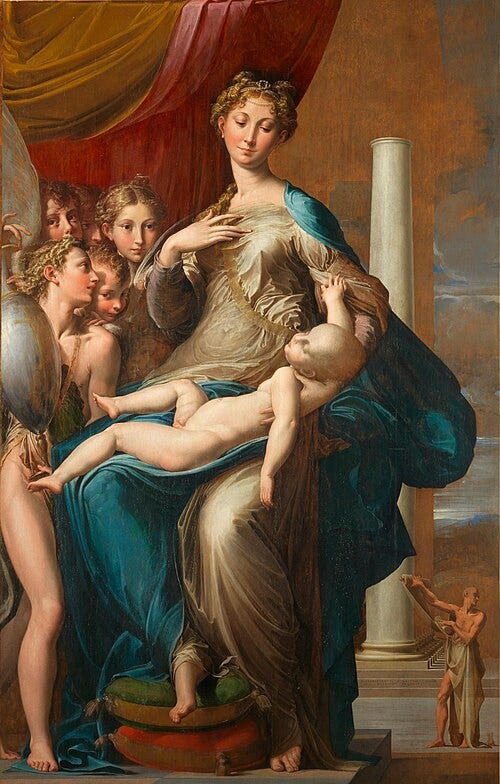

Which one is not fake ↓


How’d you do?
Real paintings
My students worked in groups, and on average were correct 40 percent of the time. Keep in mind this was an upper-division class on contemporary issues in criminology, so these are not art or art history students. I think they did pretty good! There was no consistent artist that they all struggled with; different groups had their own challenges.
There’s no agreed upon “success rate” for connoisseurship. The Fine Art Expert Institute has calculated that 70-90 percent of the artwork they examine ends up being fake, suggesting that connoisseurship is actually quite accurate. (Just to be clear, the FAEI does not claim that this percentage is in anyway representative of how well connoisseurship can spot a fake; it’s just the only concrete metric we have, to my knowledge).
I have a feeling, though, that this quotient itself isn’t exactly accurate. Chances are if someone is willing to pay the almost $20,000 to have a piece of art examined by the FAEI they have fairly good reason to suspect it’s faked or forged in the first place. In methodological terms, we call this cream skinning or cherry-picking1.
The estimates of the number of fakes and forgeries out in the wild varies widely, and tops off at 90 percent. The FAEI puts the number at 50 percent. If it’s 90 percent, the best bet would be that any given piece of art is fake. If it’s 50 percent, then you could flip a coin or pass a photon through a slit and be correct half the time with no training in connoisseurship whatsoever.
To make things even more convoluted, what is and is not a fake or forgery is far more gray than it at first seems. More on this next week.
Please note: As a Blick’s Affiliate and an Amazon Associate I earn from qualifying purchases.

Or, if you want to be hoity-toity, preferred risk selection.
Very interesting! I wonder, might an artist create fakes of his own work through AI? And why? I could see some benefit if one were a popular artist and needed to get things done quickly.