
Artists matter
more than inspirational
This is a repost from 4 August 2024. Enjoy!
I am deeply inspired and moved by artists. The works of painters like El Greco; draftsmen like Menzel; illustrators like Elmore; and architects like Boromini do more than strike a chord with me. Art can arrest me in a way that almost nothing else can. Once I had a taste of what art can do for the soul, the idea of living without art was, to quote Vizzini, inconceivable.
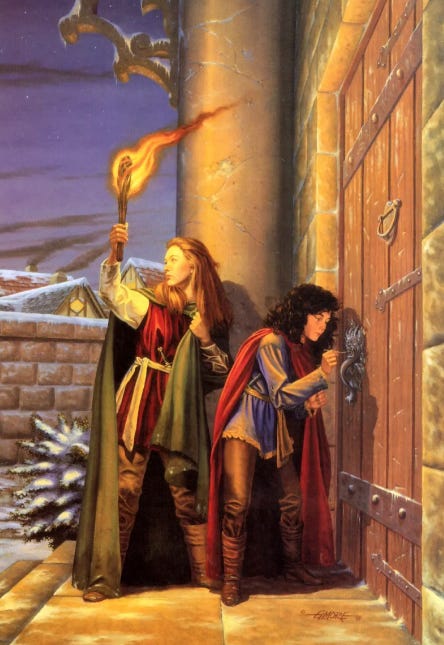
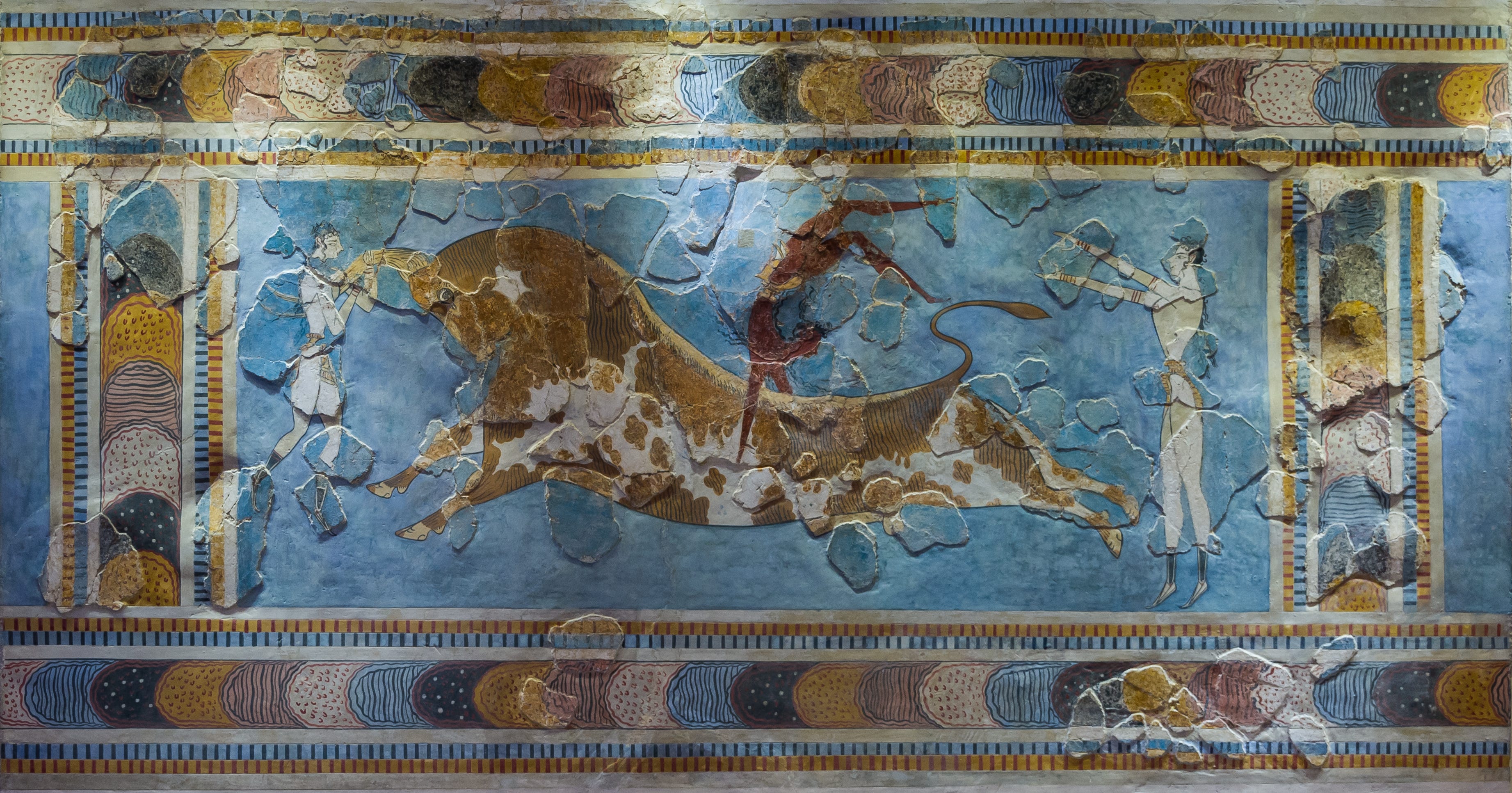
The word I usually employ when I come across art that moves me is striking. Frederick’s Monk by the Sea, Goya’s The Third of May 1808, and the Cretan fresco called Bull-leaping are all striking. They take my breath away. And it’s almost never a “one-off”: if one artwork from an artist strikes me, it’s almost a guarantee that other pieces from their body of work will also strike me.
It is difficult for me to look at the work of these painters without wanting to make art myself. But they do more than inspire me to paint; these great artists give me permission to paint.
Consider Vermeer’s Girl with a Pearl Earing. At first glance, this is a wholly representational and realistic painting, which is in keeping with both Vermeer’s other paintings (remember the maps?) and the overall genre of the Northern Renaissance painters. But once you move from her face to her turban or to her chemise, it becomes evident that this is a painting.
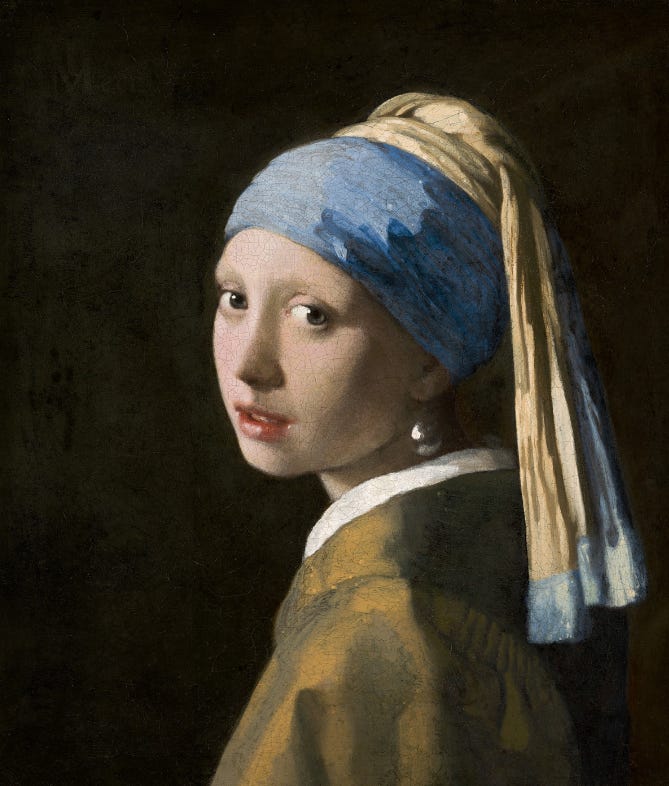
I’m not trying to expertly point out the obvious, here: of course it’s a painting. But compare her turban to that of Van Eyck’s (purported) self-portrait:
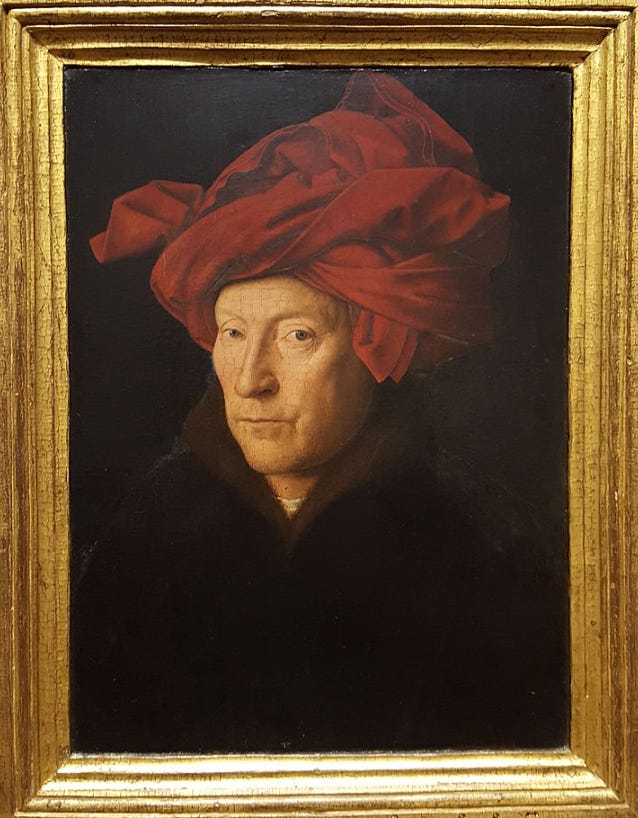
The turban in the Van Eyck portrait is far more finished than that of the girl with the pearl earring. It is, to use contemporary parlance, more rendered. The turban in the Vermeer portrait, by contrast, is more “painterly”, with visible brushstrokes and abbreviated hue and value changes. Vermeer lets your mind “fill in the gaps”; Van Eyck leaves nothing to the chance of human imagination.
So, how does this give me permission? There are times when I am painting that I like something I did that either is not there in “reality”, or maybe is an accident, or - to boil it down to the core - does something to break the fourth wall between art and viewer. A part of me wants to conceal such “blemishes”; but I really like them. Artists, like Vermeer, give me the permission I still feel I need to let such flaws stand.
I have found that one of the keys to being an artist is knowing your tools: how does your medium work against a given ground using a specific brush with a certain type of solvent, for example. The more you know your tools, the easier (and more fun) it becomes to let your tools do their own thing.
There’s an interview/advertisement with Joseph Zbukvic where he talks about this very thing: “This is quite nice, it’s painted itself. And the more you can do that when you paint watercolor the better off you will be.“
I am still learning my tools, and I certainly have a better feel for some media than others. For example, charcoal is a medium that made sense to me the second I tried it. Watercolor, less so, but I’ve worked really hard at it. And that is where I’m at, right now, in terms of learning my tools: I’m still experimenting, learning, seeing what each can do, and working hard not so I can bend my tools to my will, but so that I can learn to work in sync with them in a truly creative process. Hopefully one day I can make art just as arresting as those of my creative heroes.
I'm doing a series of microfictions called "storypix": very short stories prompted by photos I've taken. Nearly all my storypix end in three-dot ellipses; I like to imagine them as invitations to readers to continue each story a little bit further in their imaginations. Your wonderful analysis of the difference between the two artists' turbans has me regarding Vermeer's as painted with ellipses. 👍